Tag Archives: Zach Grissom

Game of Med School — We Actually Made It

We road-test a card game to show pre-meds what medical school actually feels like

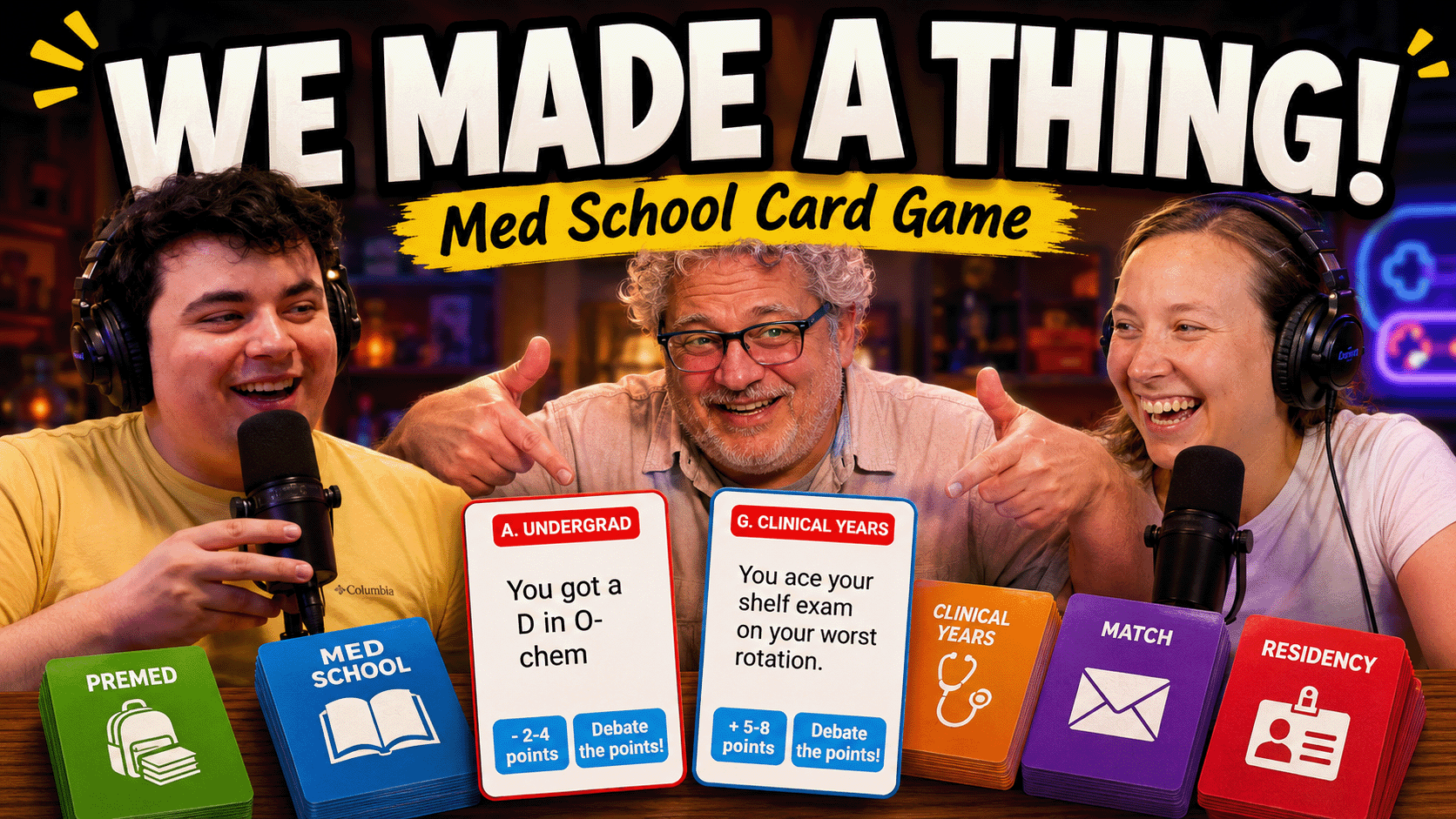
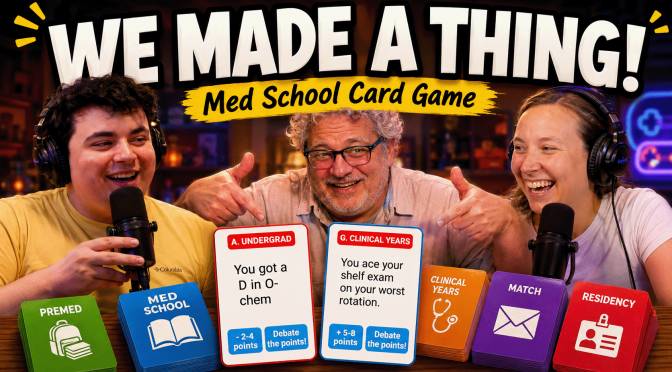
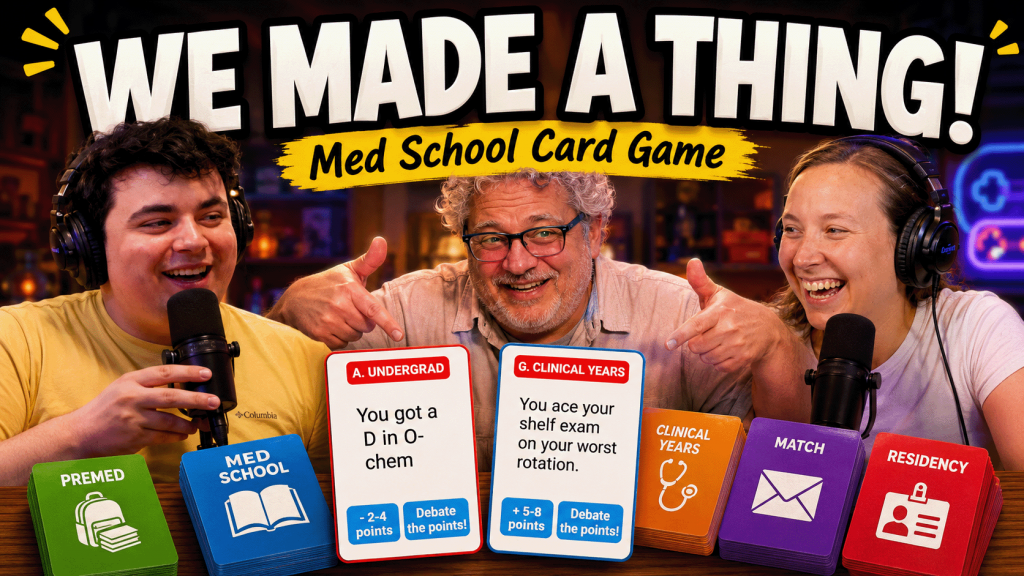
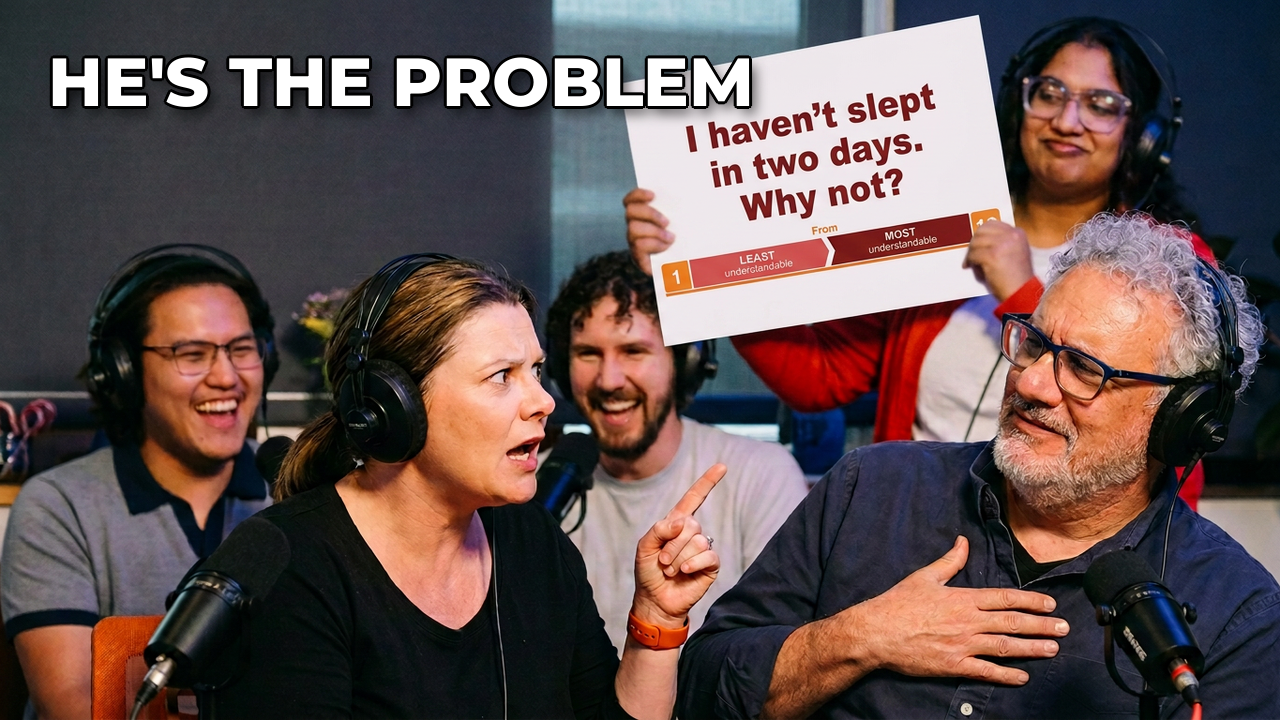
You draw a card: “You are assigned a 28-hour call shift.” Is that plus four points or minus four? It depends entirely on who you are — and that’s kind of the point. The Short Coats (Well, Dave) has been talking about this idea for a while–can we make a card game that captures the twists and turns of medical school? Well, we’ve given it a try, and now we finally play it — the Game of Med School, a prototype card-based playthrough of the full medical school path, from premed clubs to residency match. Cyrus Barati, who helped build the game, takes on the Gunner identity and immediately gets routed to clinical years while still underwater on points. M4 Fallon Jung (pregnant, unbothered) draws the Resilient Student card and somehow converts a failed Step exam into a net positive. M3s Sarah Upton and Zach Grissom round out the cast, with Zach’s Non-Traditional Student racking up an improbable collection of degrees, nursing licenses, and EMT certifications before anyone gets to medical school proper.

The cards lead to real conversations: What’s a post-bacc worth on an application? How do you handle a professionalism flag? What actually happens when your PI moves states mid-MD-PhD? How do you tell a patient bad news — and does a med student ever actually have to? Does your identity change any of that? Sure, the game has bugs (too many negative cards, the routing logic skips too much), and the crew catches them all in real time. But there’s also laughs and insights, so that’s fine.

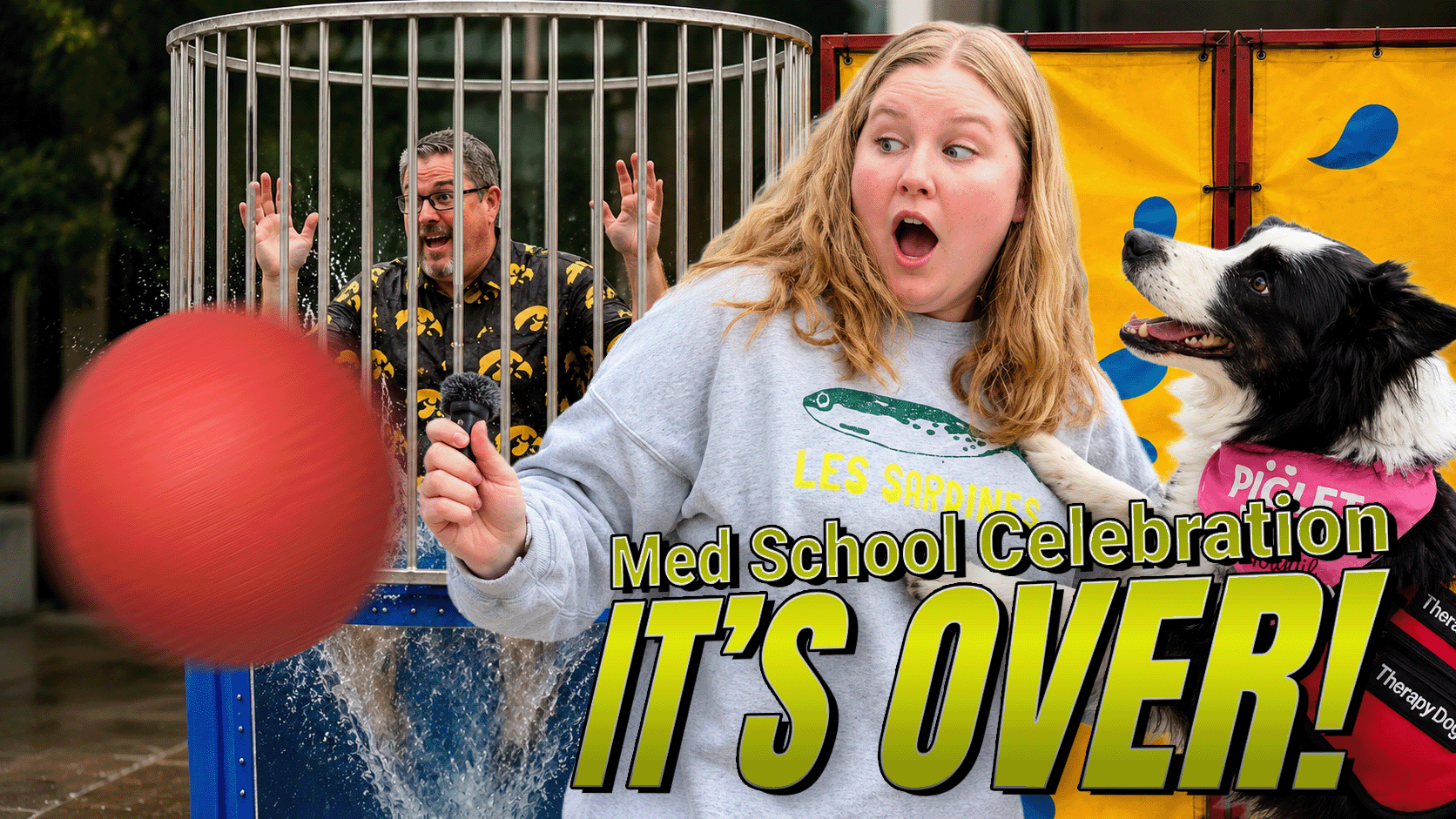
By the end, everyone graduated (naturally), the points got bumped to 2x, and Dave admitted the whole thing will need another iteration. Would you play this game? Listener feedback is always welcome at theshortcoat.com/tellus!

Episode credits:

  • Producer: Cyrus Barati, Dave Etler
  • Co-hosts: Cyrus Barati, Zach Grissom, Sarah Upton, Fallon Jung
  • Production: SCP Media Lab–Anna Roger, Cyrus Barati, Isa Perez-Sandi, Zach Grissom, Sarah Upton, Srishti Mathur, David Lee, and Jacob Thompson 

[URL template for episode https://media.blubrry.com/theshortcoat/podcast.uiowa.edu/com/osa/CHANGETHIS.mp3]

The views and opinions expressed on this podcast belong solely to the individuals who share them. They do not represent the positions of the University of Iowa, the Carver College of Medicine, or the State of Iowa. All discussions are intended for entertainment purposes only and should not be taken as professional, legal, financial, or medical advice. Nothing said on this podcast should be used to diagnose, treat, or prevent any medical condition. Always seek qualified professional guidance for personal decisions.

We Want to Hear From You: YOUR VOICE MATTERS!

We welcome your feedback, listener questions, and shower thoughts. Do you agree or disagree with something we said today? Did you hear something really helpful? Can we answer a question for you? Are we delivering a podcast you want to keep listening to? Let us know at https://theshortcoat.com/tellus and we’ll put your message in a future episode. Or email theshortcoats@gmail.com.

We need to know more about you! https://surveys.blubrry.com/theshortcoat (email a screenshot of the confirmation screen to theshortcoats@gmail.com with your mailing address and Dave will mail you a thank you package!)

The Short Coat Podcast is FeedSpot’s Top Iowa Student Podcast, and its Top Iowa Medical Podcast!  Thanks for listening!

Continue reading Game of Med School — We Actually Made It
Share

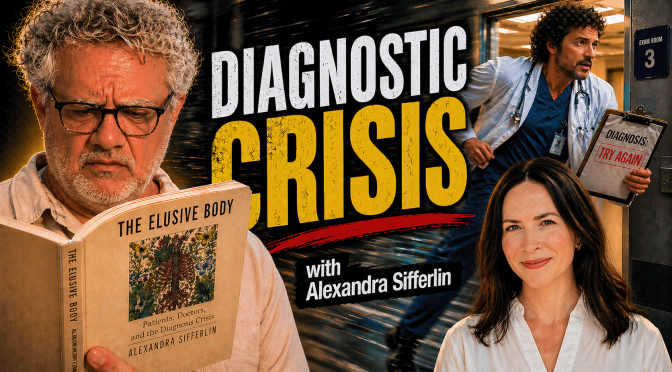
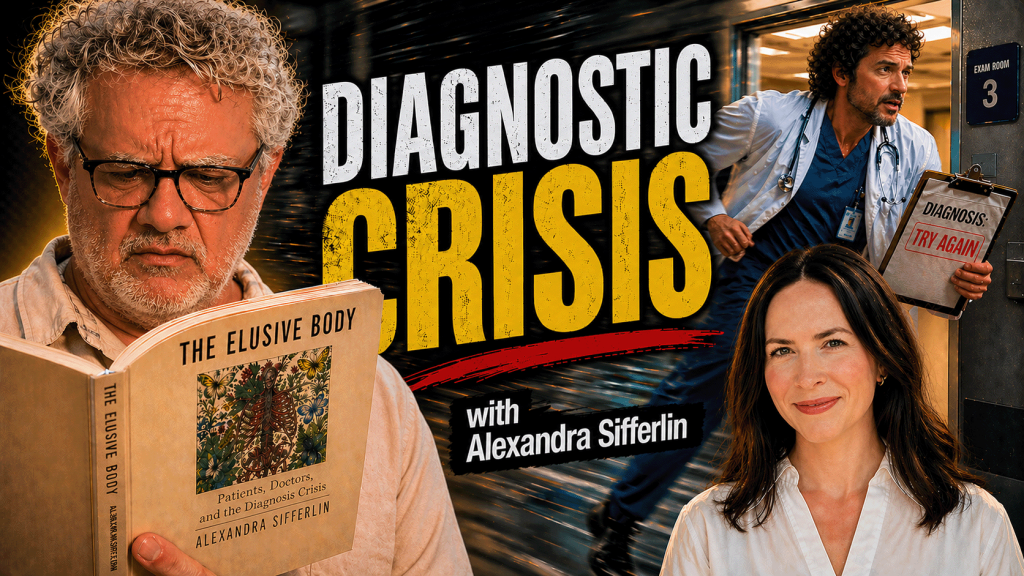
The Doctor Doesn’t Know Either: Inside the Diagnostic Crisis, with Alexandra Sifferlin

The feedback loop that would make doctors better diagnosticians doesn’t exist.

Louise walked five minutes. Then her legs turned to stone. She stood at the side of the road, waiting for them to work again—and nobody figured out why for thirty years.

Author and New York Times Health and Science Opinion Editor Alexandra Sifferlin has spent years as a journalist fielding emails from patients who couldn’t get a straight answer from medicine—not because their doctors were incompetent, but because diagnosis is harder, messier, and more difficult to do in 15 minutes than anyone wants to admit. Her book The Elusive Body: Patients, Doctors, and the Diagnosis Crisis traces the problem from rural Kentucky to the NIH’s Undiagnosed Diseases Network, and her conversation with M4 Jeff Goddard, M1 Madelyn Klemmensen, and M2 Zach Goddard goes deep on the mechanics of how diagnostic errors actually happen: availability bias, the missing feedback loop, specialty tunnel vision, and the slow erosion of trust that pushes patients toward people selling them supplements.

The students here aren’t just asking sympathetic questions, although Jeff is literally a character in the book, something Dave found out in real time on this episode. They push on the hard stuff: when is a placeholder diagnosis ethical, whether AI will save us or become a crutch, and what do you actually do about a healthcare system where the patient bounces between docs who don’t have answers. What they keep landing on is uncomfortable—medicine doesn’t have great solutions to this, but the relationship between patient and physician might matter more than the technology of medicine. Solving the diagnostic crisis might mean uncomfortable, expensive changes.

Episode credits:

  • Producer: Jeff Goddard
  • Co-hosts: Zach Grissom, Madelyn Klemmensen
  • Guest: Alexandra Sifferlin, https://www.alexandrasifferlin.com/
  • Production: SCP Media Lab–Anna Roger, Cyrus Barati, Isa Perez-Sandi, Zach Grissom, Sarah Upton, Srishti Mathur, David Lee, and Jacob Thompson 

The views and opinions expressed on this podcast belong solely to the individuals who share them. They do not represent the positions of the University of Iowa, the Carver College of Medicine, or the State of Iowa. All discussions are intended for entertainment purposes only and should not be taken as professional, legal, financial, or medical advice. Nothing said on this podcast should be used to diagnose, treat, or prevent any medical condition. Always seek qualified professional guidance for personal decisions.

We Want to Hear From You: YOUR VOICE MATTERS!

We welcome your feedback, listener questions, and shower thoughts. Do you agree or disagree with something we said today? Did you hear something really helpful? Can we answer a question for you? Are we delivering a podcast you want to keep listening to? Let us know at https://theshortcoat.com/tellus and we’ll put your message in a future episode. Or email theshortcoats@gmail.com.

We need to know more about you! https://surveys.blubrry.com/theshortcoat (email a screenshot of the confirmation screen to theshortcoats@gmail.com with your mailing address and Dave will mail you a thank you package!)

The Short Coat Podcast is FeedSpot’s Top Iowa Student Podcast, and its Top Iowa Medical Podcast!  Thanks for listening!

Continue reading The Doctor Doesn’t Know Either: Inside the Diagnostic Crisis, with Alexandra Sifferlin
Share

Step Exams: Ready Or Not Here They Come

Three exams that might drive you crazy.

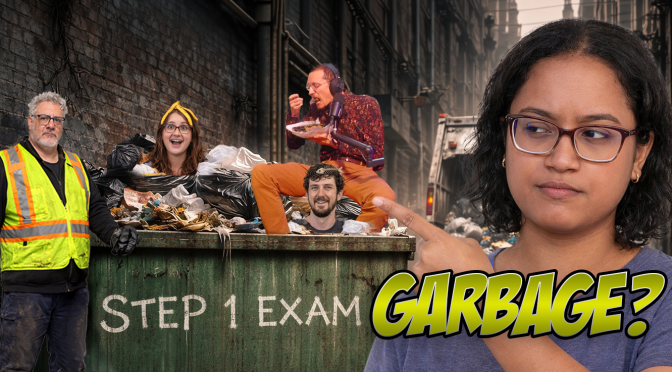
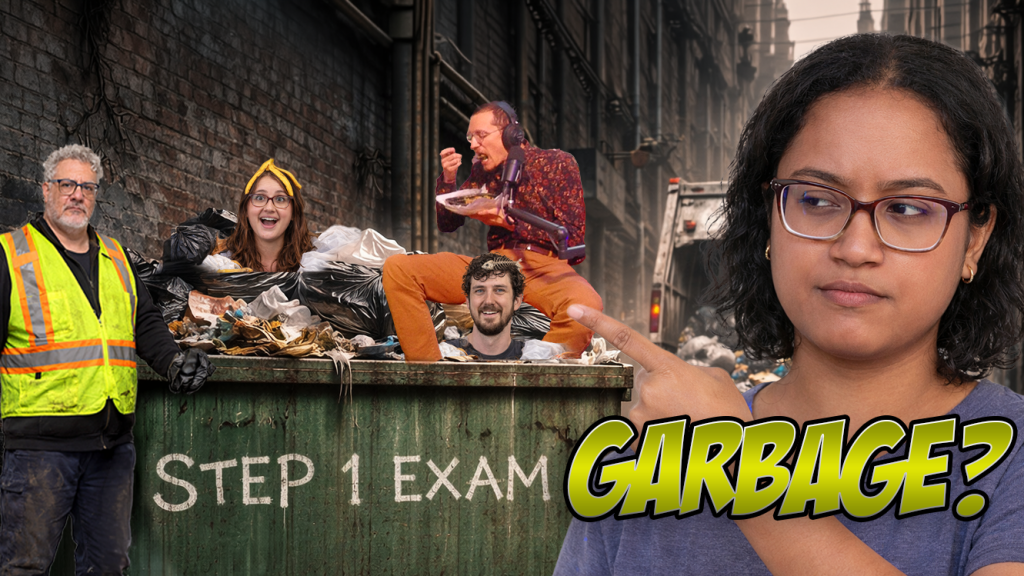
If you’re a pre-med, you may have heard about Step exams. But what are they? When the hell are you supposed to start studying? Should you be doing Anki cards in the womb? And are your scores actually going to determine your entire future? This episode is basically your reality check from people who’ve either survived these medical licensing exams or are currently drowning in practice questions right now. M4 Zay Edgren and M3 Radha Velamuri help M1 Isa Perez-Sandi and M2 Zach Grissom understand the whole chaotic timeline—from Step 1 going pass fail (RIP to the days when that score mattered) to Step 2 being the new make-or-break moment for your residency application. And let’s not forget Step 3 which comes later and is–some will say–just another expensive box to check during residency.

You’ll hear honest takes on when people actually start medical board exam preparation, how medical school rotations can change everything about studying for these beasts, what those clinical vignette questions are really testing, and why practicing on actual patients beats memorizing the whatever cycle. Whether you’re an pre-med just learning what “shelf exam” means, deep in medical student board preparation hell, or a parent of one of those—we’ve got the insider info, the real timeline, and exactly zero sugarcoating. Plus: hot takes on curly hair management, why being ten years old means you’re already behind, and a very specific discussion about dumpster diving that makes sense in context. But probably not.

Episode credits:

  • Producer: Zay Edgren
  • Co-hosts: Isa Sandi-Perez, Zach Grissom, Radha Velamuri, Zay Edgren

The views and opinions expressed on this podcast belong solely to the individuals who share them. They do not represent the positions of the University of Iowa, the Carver College of Medicine, or the State of Iowa. All discussions are intended for entertainment purposes only and should not be taken as professional, legal, financial, or medical advice. Nothing said on this podcast should be used to diagnose, treat, or prevent any medical condition. Always seek qualified professional guidance for personal decisions.

We Want to Hear From You: YOUR VOICE MATTERS!

We welcome your feedback, listener questions, and shower thoughts. Do you agree or disagree with something we said today? Did you hear something really helpful? Can we answer a question for you? Are we delivering a podcast you want to keep listening to? Let us know at https://theshortcoat.com/tellus and we’ll put your message in a future episode. Or email theshortcoats@gmail.com.

We need to know more about you! https://surveys.blubrry.com/theshortcoat (email a screenshot of the confirmation screen to theshortcoats@gmail.com with your mailing address and Dave will mail you a thank you package!)

The Short Coat Podcast is FeedSpot’s Top Iowa Student Podcast, and its Top Iowa Medical Podcast!  Thanks for listening!

Continue reading Step Exams: Ready Or Not Here They Come
Share

They Way Most Docs are Paid Doesn’t Lead to Healthier Patients (Recess Rehash)

[ICYMI, here’s a rerun of a show released earlier this year. We’ll be back with new shows starting next week!]

How the system pays doctors can change healthcare outcomes—sometimes in scary ways.

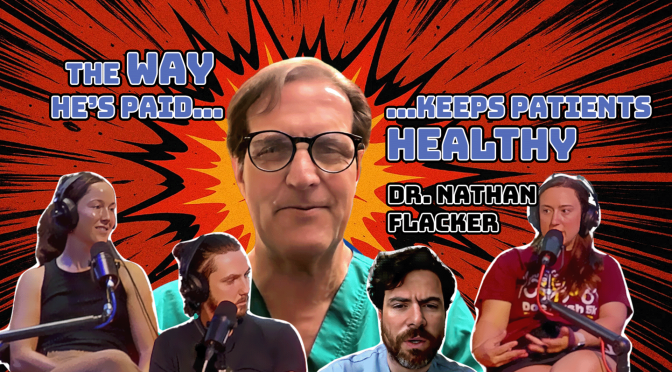
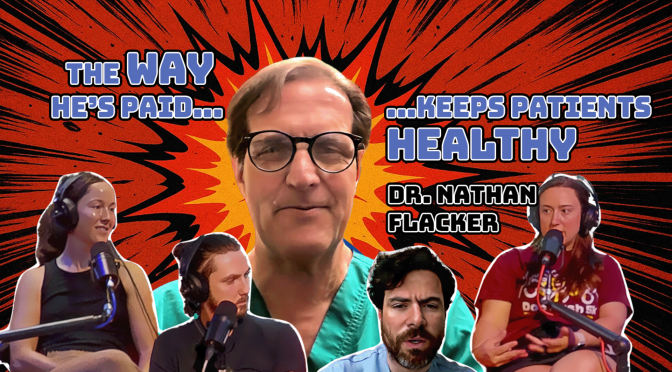
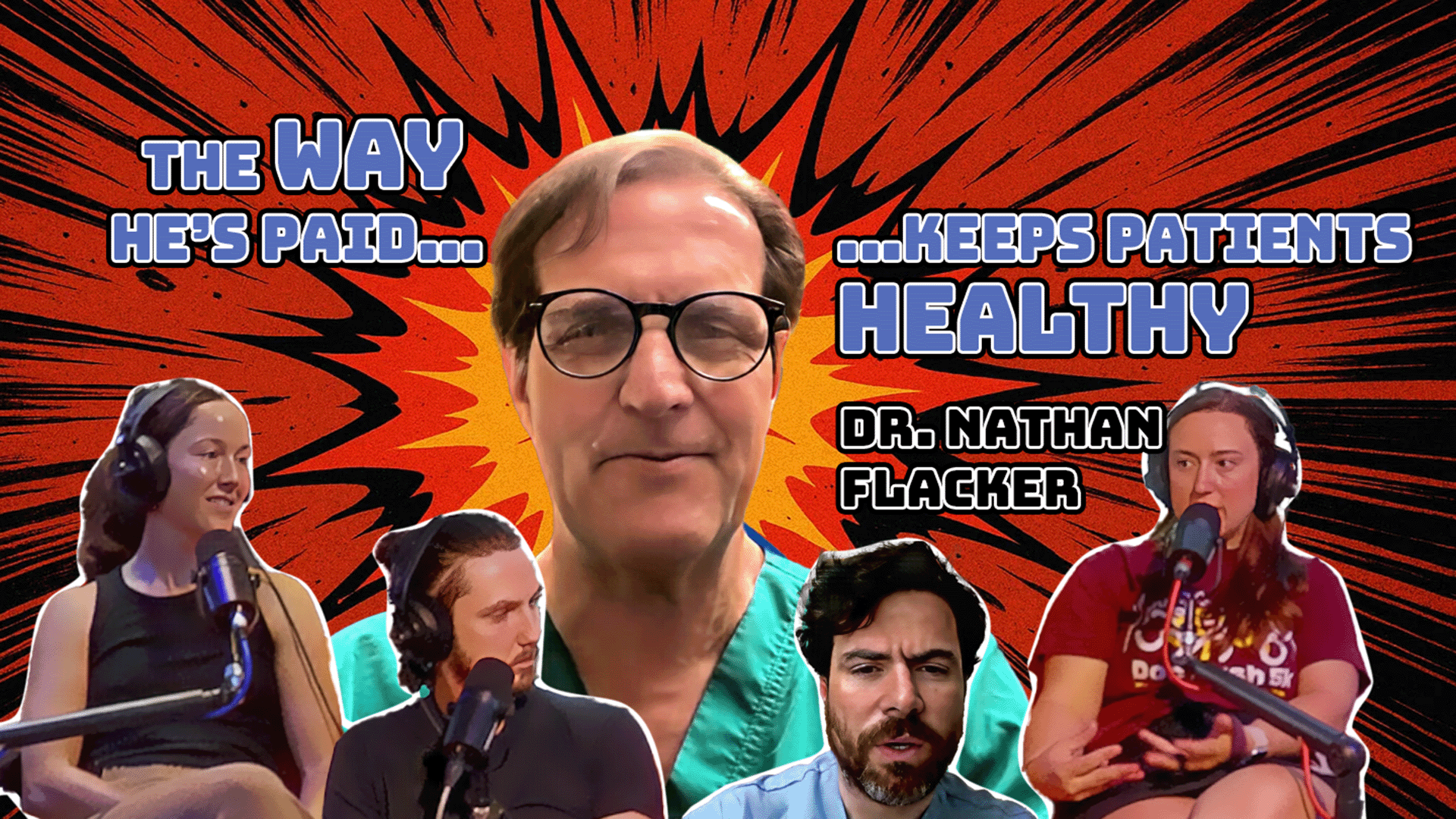
The way docs are paid can make patients sicker…or can lead to healthier ones. The payment schemes most docs work under incentivize them to fix patients, while others motivate them to prevent illness—and geriatrician Dr. Jonathan “Nathan” Flacker is here to explain why. This episode rips the curtain off RVUs, fee-for-service traps, and the real reason your doc is rushing through your visit (hint: it’s not personal, it’s math).

We dig into ChenMed’s wild idea: what if clinics got paid to keep you out of the hospital? Turns out, when money flows toward health instead of procedures, everyone wins. Except maybe the $400M proton beam facility (for the record, we love proton beams, but you might not need them if you can avoid cancer altogether).

Is concierge-style medicine only for the wealthy? What happens when you build “rich person care” for low-income seniors? And how many patients can a doc see well before it all breaks? If you’re dreaming of a career where you actually help people instead of just clicking boxes—this one’s a wake-up call.

Also: Love calls, RVU debt, and why pajama time should be illegal.

Episode credits:

  • Producer: Jeff Goddard
  • Co-hosts: Riley Behan-Bush, Zach Grissom, Alex Nigg
  • Guest: Dr. Jonathan “Nathan” Flacker, ChenMed

We Want to Hear From You: YOUR VOICE MATTERS!

We welcome your feedback, listener questions, and shower thoughts. Do you agree or disagree with something we said today? Did you hear something really helpful? Can we answer a question for you? Are we delivering a podcast you want to keep listening to? Let us know at https://theshortcoat.com/tellus and we’ll put your message in a future episode. Or email theshortcoats@gmail.com.

We need to know more about you! https://surveys.blubrry.com/theshortcoat (email a screenshot of the confirmation screen to theshortcoats@gmail.com with your mailing address and Dave will mail you a thank you package!)

The Short Coat Podcast is FeedSpot’s Top Iowa Student Podcast, and its Top Iowa Medical Podcast!  Thanks for listening!

Continue reading They Way Most Docs are Paid Doesn’t Lead to Healthier Patients (Recess Rehash)
Share

Med Student Leaders: Juggling Roles at School and Home

Is work-life “balance” the right framing?

Is “work-life balance” a myth in medical school? What do successful students do to manage leadership positions, marriage, kids, and academics?

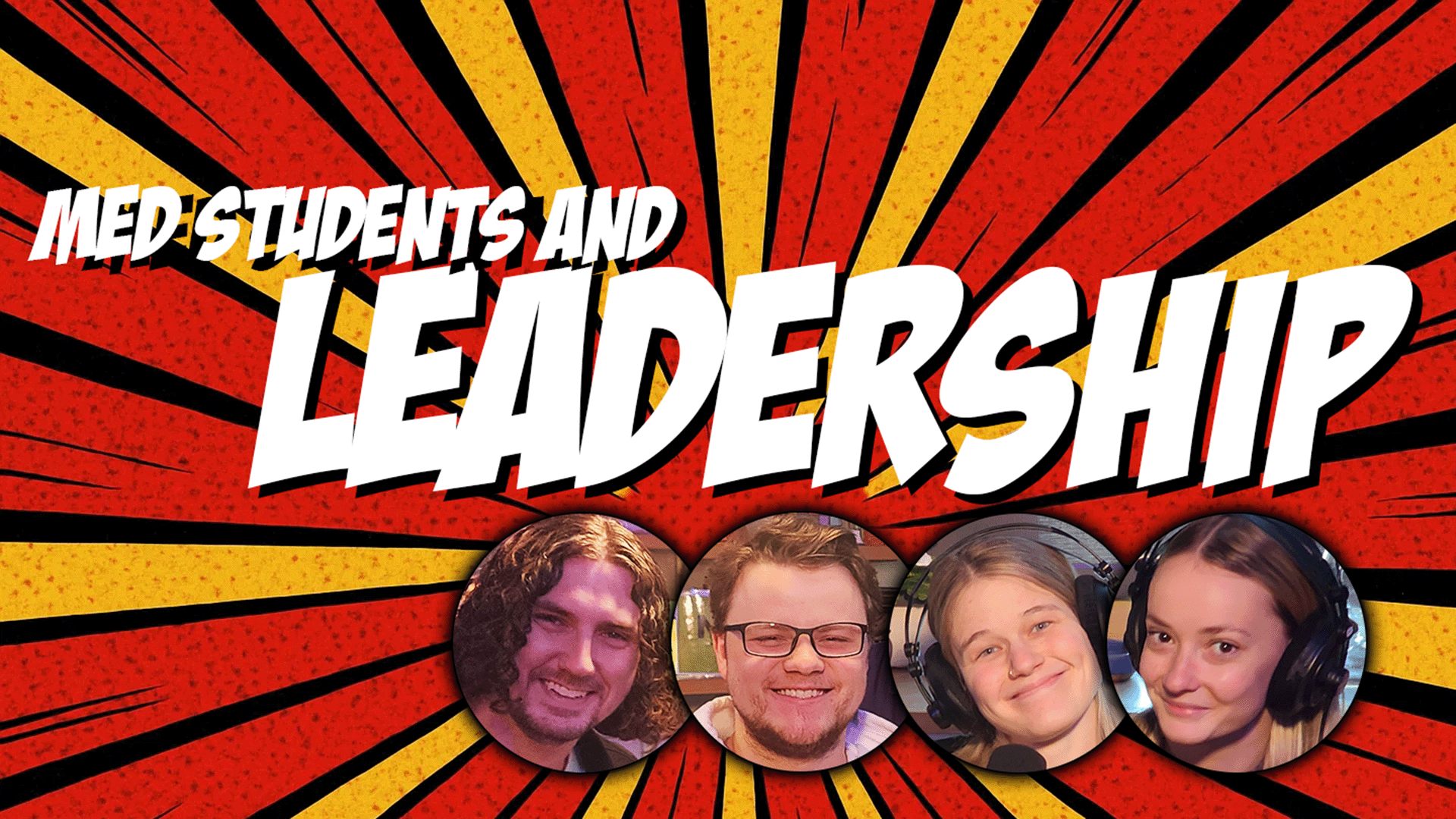
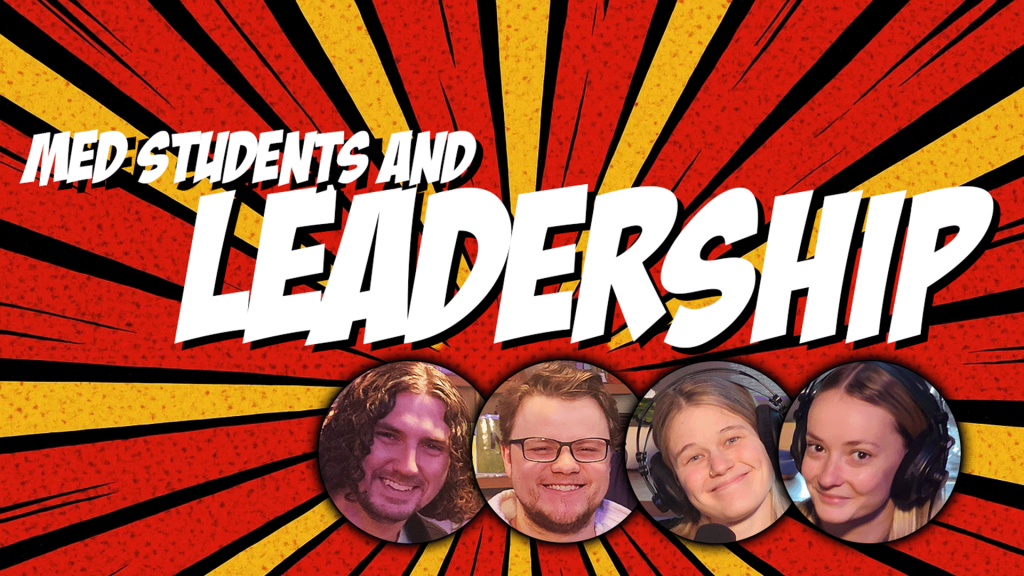
Our co-hosts–M2s Zach Grissom, Megan Perry, Sarah Upton, and Chase Larsson–lead specialty interest groups, student government, advocacy organizations, and their learning communities; all of their roles compete for their time. Then someone asks if they want to start a new thing, and somehow they say yes. even if they say no. It’s a mystery how that happens.

We break down what happens when “getting involved” becomes “drowning in responsibility,” especially with that otherwise pretty sweet 18-month preclinical timeline that makes succession planning feel like a game of musical chairs with first-years who are still learning how to med school.

But here’s where it gets interesting. These aren’t just resume builders—our students are genuinely passionate about their causes, from organ donation advocacy to single-payer healthcare organizing to…podcasting! They’re learning that leadership isn’t about balance; it’s about accommodation. Sometimes the leadership thing gets bumped for the anatomy exam. Sometimes you’re editing a newsletter while your kid bounces off the walls. Sometimes you realize you’re not actually superhuman, and that’s okay.

Also, Short Coat listener Evan asks us how do we manage a parenting, marriage, and medical school without losing your minds? Our conversation gets brutally honest about the reality of parenting through M1 year, the myth of work-life balance, and why some students might feel “infantilized” by the medical school experience while others are changing car batteries in business attire between classes or trying to meal prep while being tutored (that doesn’t work, BTW).

Episode credits:

  • Producer: Zach Grissom
  • Co-hosts: Zach Grissom, Megan Perry, Sarah Upton, Chase Larsson

The views and opinions expressed on this podcast belong solely to the individuals who share them. They do not represent the positions of the University of Iowa, the Carver College of Medicine, or the State of Iowa. All discussions are intended for entertainment purposes only and should not be taken as professional, legal, financial, or medical advice. Nothing said on this podcast should be used to diagnose, treat, or prevent any medical condition. Always seek qualified professional guidance for personal decisions.

We Want to Hear From You: YOUR VOICE MATTERS!

We welcome your feedback, listener questions, and shower thoughts. Do you agree or disagree with something we said today? Did you hear something really helpful? Can we answer a question for you? Are we delivering a podcast you want to keep listening to? Let us know at https://theshortcoat.com/tellus and we’ll put your message in a future episode. Or email theshortcoats@gmail.com.

We need to know more about you! https://surveys.blubrry.com/theshortcoat (email a screenshot of the confirmation screen to theshortcoats@gmail.com with your mailing address and Dave will mail you a thank you package!)

The Short Coat Podcast is FeedSpot’s Top Iowa Student Podcast, and its Top Iowa Medical Podcast!  Thanks for listening!

Continue reading Med Student Leaders: Juggling Roles at School and Home
Share

Feedback is Data, Not Devastation.

How to Take Negative Feedback And Use It to Win in Med School

Recently, our admissions coordinator Rachel was surprised by the reaction from an applicant CCOM chose not to admit. She’d set aside time to give the applicant some feedback on their application–an extra service we provide those who weren’t successful in their bid to study medicine here. But instead of a thoughtful reaction to her notes, the unsuccessful applicant told her that they “didn’t agree with any of that.”

The problem with this attitude is that in medical school feedback is never ending! Students get notes on interpersonal skills, professional behaviors, clinical skills, your knowledge base. And the feedback comes from everyone involved: simulated patients, actual patients, faculty, residents, nurses, even each other! Sometimes the feedback is formal and written; sometimes it’s verbal; and sometimes all you get is a raised eyebrow or a smile. Sometimes it’s rough, other times it’s SMART.

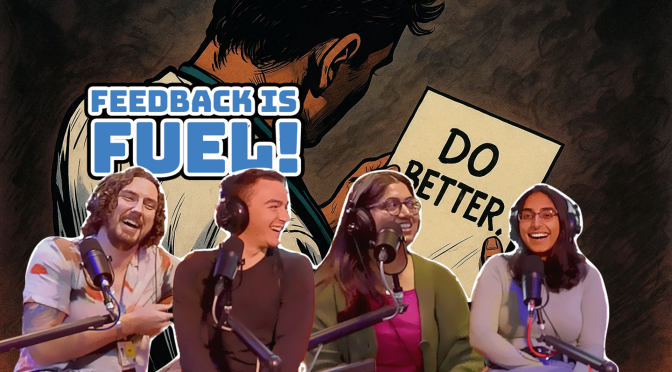
So M2s Zach Grissom, Sahana Sarin, Srishti Mathur, and Jay Miller give their take on this vital skill in medicine: using feedback as data, as fuel for growth. They share stories of getting useful and useless feedback. And whether you love it or hate it, you’ll leave with a playbook for using feedback to boost your success in medical school and your career.

Also, we discuss a study on AI “de-skilling,” and recent shifts in the amount of research medical students are doing versus the number of service and humanities experiences they’re doing.

Episode credits:

  • Producer: Dave Etler
  • Co-hosts: Zach Grissom, Srishti Mathur, Sahana Sarin, Jay Miller

We Want to Hear From You: YOUR VOICE MATTERS!

We welcome your feedback, listener questions, and shower thoughts. Do you agree or disagree with something we said today? Did you hear something really helpful? Can we answer a question for you? Are we delivering a podcast you want to keep listening to? Let us know at https://theshortcoat.com/tellus and we’ll put your message in a future episode. Or email theshortcoats@gmail.com.

We need to know more about you! https://surveys.blubrry.com/theshortcoat (email a screenshot of the confirmation screen to theshortcoats@gmail.com with your mailing address and Dave will mail you a thank you package!)

The Short Coat Podcast is FeedSpot’s Top Iowa Student Podcast, and its Top Iowa Medical Podcast!  Thanks for listening!

Continue reading Feedback is Data, Not Devastation.
Share

They Way Most Docs are Paid Doesn’t Lead to Healthier Patients

How the system pays doctors can change healthcare outcomes—sometimes in scary ways.

The way docs are paid can make patients sicker…or can lead to healthier ones. The payment schemes most docs work under incentivize them to fix patients, while others motivate them to prevent illness—and geriatrician Dr. Jonathan “Nathan” Flacker is here to explain why. This episode rips the curtain off RVUs, fee-for-service traps, and the real reason your doc is rushing through your visit (hint: it’s not personal, it’s math).

We dig into ChenMed’s wild idea: what if clinics got paid to keep you out of the hospital? Turns out, when money flows toward health instead of procedures, everyone wins. Except maybe the $400M proton beam facility (for the record, we love proton beams, but you might not need them if you can avoid cancer altogether).

Is concierge-style medicine only for the wealthy? What happens when you build “rich person care” for low-income seniors? And how many patients can a doc see well before it all breaks? If you’re dreaming of a career where you actually help people instead of just clicking boxes—this one’s a wake-up call.

Also: Love calls, RVU debt, and why pajama time should be illegal.

Episode credits:

  • Producer: Jeff Goddard
  • Co-hosts: Riley Behan-Bush, Zach Grissom, Alex Nigg
  • Guest: Dr. Jonathan “Nathan” Flacker, ChenMed

We Want to Hear From You: YOUR VOICE MATTERS!

We welcome your feedback, listener questions, and shower thoughts. Do you agree or disagree with something we said today? Did you hear something really helpful? Can we answer a question for you? Are we delivering a podcast you want to keep listening to? Let us know at https://theshortcoat.com/tellus and we’ll put your message in a future episode. Or email theshortcoats@gmail.com.

We need to know more about you! https://surveys.blubrry.com/theshortcoat (email a screenshot of the confirmation screen to theshortcoats@gmail.com with your mailing address and Dave will mail you a thank you package!)

The Short Coat Podcast is FeedSpot’s Top Iowa Student Podcast, and its Top Iowa Medical Podcast!  Thanks for listening!

Continue reading They Way Most Docs are Paid Doesn’t Lead to Healthier Patients
Share

What Residency Program Directors Actually Want

And the real reason you’re not getting clear advice about applying to residency.

Listener Baffled J. Whoseadaddy (not his real name) asked us why his med school kids complain that the residency application process is confusing and “a black hole.” This week, hosts Dave Etler, Chase Larsson, Zach Grissom, and Madeline Ungs unpack why no one can seem to agree on what residency programs want… and what they actually do.

Spoiler: it’s not a first-author publication, committee position, or flawless grades.

They’re joined by recent Carver College of Medicine grad Dr. Teneme Konne, now a full-fledged family medicine attending (and “professional yapper”), who spills the truth on how programs really evaluate applicants. From what happens behind closed doors during interview debriefs to how introverts can still stand out, we break it all down.

If you’re sick of performative CV-building, tired of mixed signals (literally), and unsure how to be “authentic” without sounding like a TED Talk… this one’s for you.

Episode credits:

  • Producer: Dave Etler
  • Co-hosts: Chase Larsson, Zach Grissom, Madeline Ungs
  • Guest: Teneme Konne, MD, CCOM ’22

We Want to Hear From You: YOUR VOICE MATTERS!

We welcome your feedback, listener questions, and shower thoughts. Do you agree or disagree with something we said today? Did you hear something really helpful? Can we answer a question for you? Are we delivering a podcast you want to keep listening to? Let us know at https://theshortcoat.com/tellus and we’ll put your message in a future episode. Or email theshortcoats@gmail.com.

The Short Coat Podcast is FeedSpot’s Top Iowa Student Podcast, and its Top Iowa Medical Podcast!  Thanks for listening!

Continue reading What Residency Program Directors Actually Want
Share

Medfluencers and Patient Education: Helpful or Risky? (Recess Rehash)

How future doctors are navigating social media’s impact on public education.

[We’re on vacation, so enjoy this recent show in case you missed it!]

How can a well-meaning medfluencer be sure they’re actually helping? M1 Zach Grissom, M2 Fallon Jung, M3 Jeff Goddard, and M4 Matt Engelken sit down with third-year DO student Nik Bletnitsky to discuss the role of social media in medical education. Current and Future doctors are increasingly using these platforms to share medical knowledge—but, even if you’re careful to offer the best information, what are the hidden dangers?

The conversation covers the sometimes blurry line between education, misinformation, and contradicting someone’s doctor’s advice. How disclaimers work (or don’t), and why the Dunning-Kruger effect can turn a curious patient into an overconfident self-diagnoser.

Should doctors be influencers? Can patients trust what they see online? And is it possible to make medical knowledge accessible without accidentally making things worse?

More about our guest:

We Want to Hear From You: YOUR VOICE MATTERS!

We welcome your feedback, listener questions, and shower thoughts. Do you agree or disagree with something we said today? Did you hear something really helpful? Can we answer a question for you? Are we delivering a podcast you want to keep listening to? Let us know at https://theshortcoat.com/tellus and we’ll put your message in a future episode. Or email theshortcoats@gmail.com.

The Short Coat Podcast is FeedSpot’s Top Iowa Student Podcast, and its Top Iowa Medical Podcast!  Thanks for listening!

Continue reading Medfluencers and Patient Education: Helpful or Risky? (Recess Rehash)
Share

How a Walk in the Park Sparked a Health Movement, ft. David Sabgir, MD

A cardiologist ditched the standard lecture and took a walk with his patients. You can too!

Cardiologist David Sabgir was tired of telling patients to exercise, so he did something ridiculous…and it spawned a movement. Walk With A Doc began with a simple idea: don’t just recommend lifestyle changes—live them, with your patients, in the wild. In this episode, we unpack the surprising power of walking with a community instead of talking at patients about exercise, and how a one-mile stroll has turned into an international public health initiative. Co-hosts M3 Jeff Goddard, and M1s Sydney Skuodas, Michael Arrington, and Zach Grissom are also asking: what happens when docs and med students bring their kids, their real lives, and their full humanity into community care? For some, it could be a real antidote to burnout, and the solution might be hiding in the park—with some sneakers and your neighbors. The cardiologist that stared it all shares how failing at patient motivation led to something wildly more effective.

This episode is your unofficial permission slip to stop recommending change and start doing it.

Episode credits:

  • Producer: Jeff Goddard
  • Co-hosts: Zach Grissom, Michael Arrington, Sydney Skuodas
  • Guest: David Sabgir, MD

We Want to Hear From You: YOUR VOICE MATTERS!

We welcome your feedback, listener questions, and shower thoughts. Do you agree or disagree with something we said today? Did you hear something really helpful? Can we answer a question for you? Are we delivering a podcast you want to keep listening to? Let us know at https://theshortcoat.com/tellus and we’ll put your message in a future episode. Or email theshortcoats@gmail.com.

The Short Coat Podcast is FeedSpot’s Top Iowa Student Podcast, and its Top Iowa Medical Podcast!  Thanks for listening!

Continue reading How a Walk in the Park Sparked a Health Movement, ft. David Sabgir, MD
Share